

Why 24/7 Breaking News Coverage Doesn't Work (And What To Do)
Explore why 24/7 breaking news coverage doesn't work and how to fix it—practical tips for clearer reporting, better context, and smarter news consumption. LoneStarBlogger
Explore why 24/7 breaking news coverage doesn't work and how to fix it—practical tips for clearer reporting, better context, and smarter news consumption. LoneStarBlogger

Learn 7 ways to spot fake news like a pro with reporters' real-world tactics to verify sources, spot bias, and fact-check fast—master reliable news habits. LoneStarBlogger

7 ways newsrooms can reclaim trust amid the fake news crisis: actionable steps, verification tactics and audience engagement tips to rebuild credibility now. LoneStarBlogger
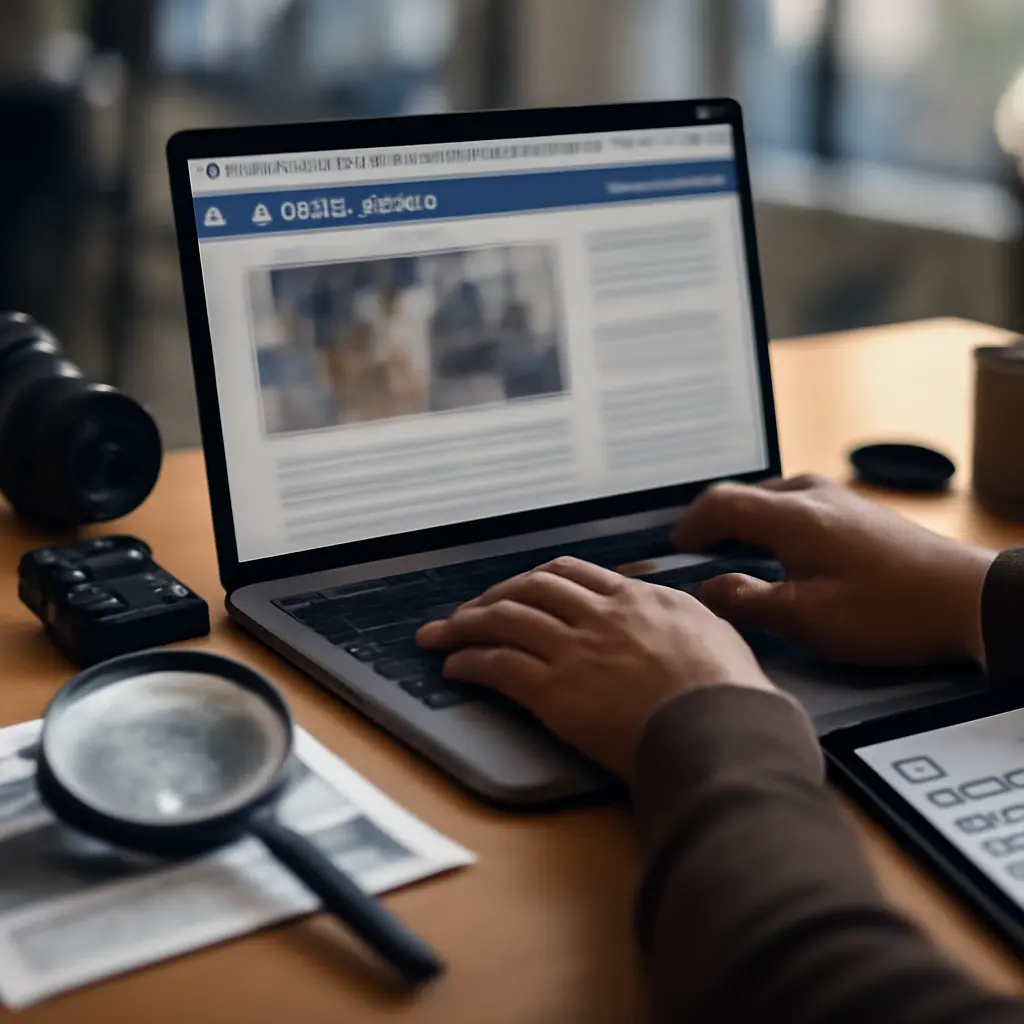
Complete guide to verifying viral news in 2024: journalist tips, quick fact-checking steps and tools to spot misinformation and report with confidence. LoneStarBlogger

Discover 7 ways newsrooms are adapting to the 24/7 attention economy now—practical strategies to boost engagement, speed workflows, and retain audiences. LoneStarBlogger

Discover newsroom automation trends set to reshape reporting in 2024 and beyond — practical strategies, tech predictions, and tools newsrooms can adopt now. LoneStarBlogger
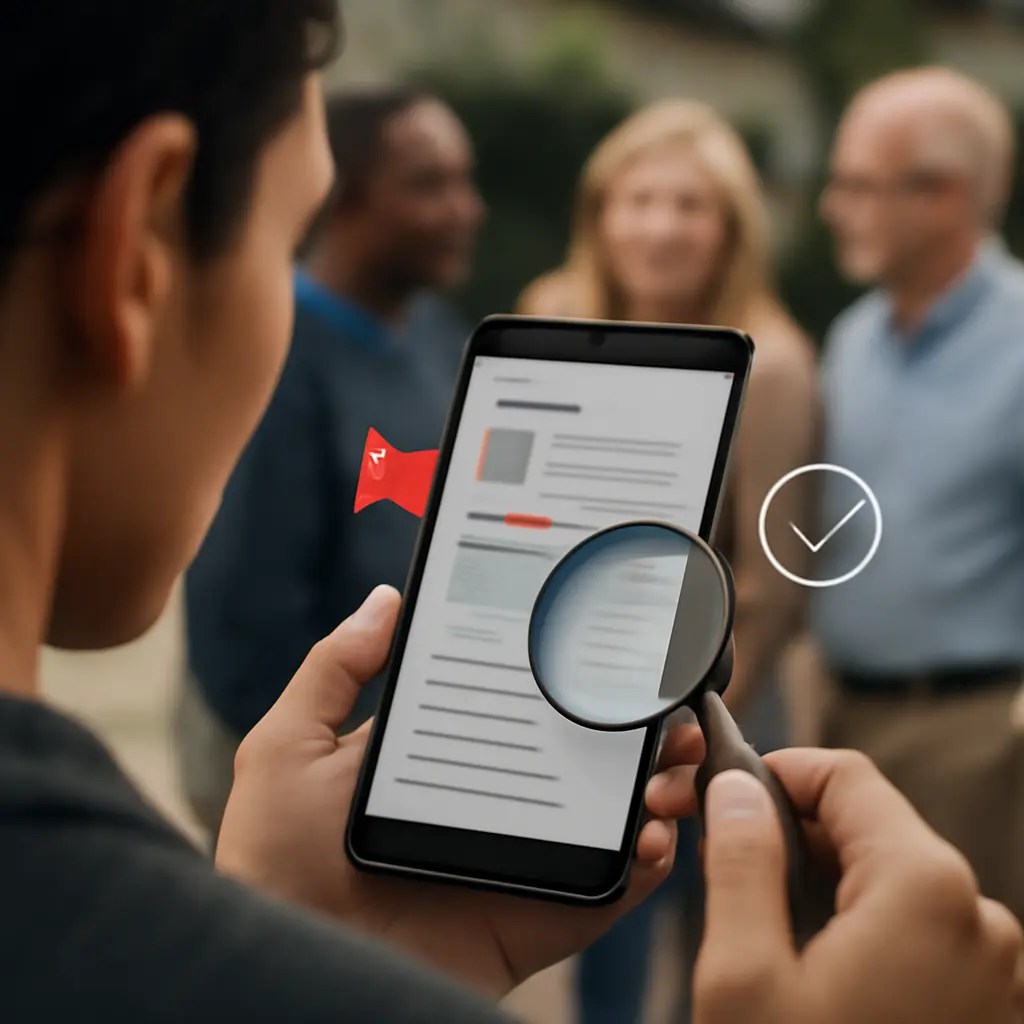
Learn 9 quick ways to spot fake news and protect your community today - practical tips, verification tools and warning signs to stop misinformation fast. LoneStarBlogger

Complete guide to spotting fake news before it spreads online—learn tactics to spot misleading sources, verify facts fast and stop misinformation. LoneStarBlogger

Master Fake News Detection with insider tactics veteran reporters won't share—practical tips, red flags and verification methods to spot misinformation fast. LoneStarBlogger

Discover whether AI-generated news or human reporting better rebuilds public trust—evidence, real examples, and practical tips newsrooms can use to regain trust. LoneStarBlogger

Discover proven techniques to evaluate news sources, detect misinformation, and sharpen your critical thinking. Take control of your media literacy today. LoneStarBlogger LoneStarBlogger
Unlock bonus rounds without spending a dime — discover exactly how to claim free spiny zdarma with our clear, beginner-friendly walkthrough. Start spinning today!

Discover how uvítací bonus kasino promotions are reshaping gambling journalism—from transparency standards to clickbait headlines. Find out what it means for readers.
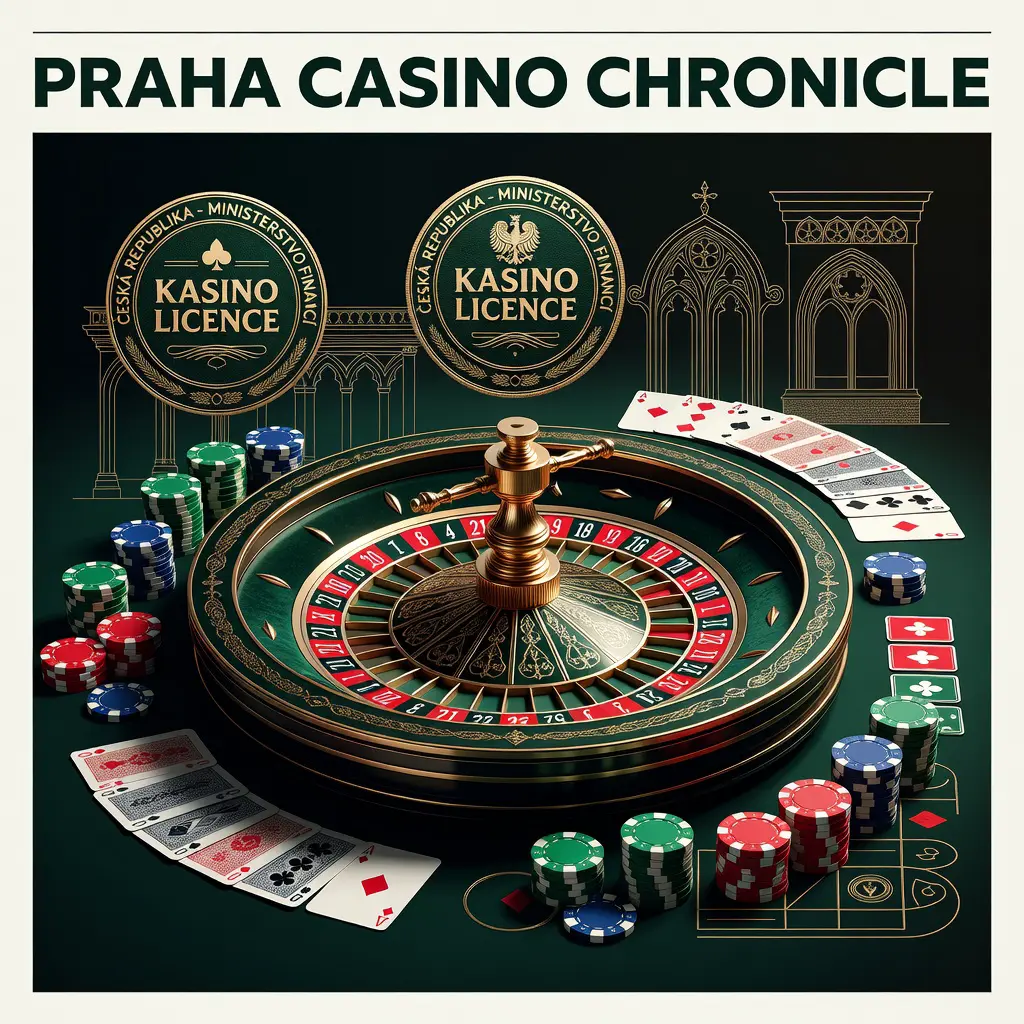
Curious what makes legální casino v česku headline news? Discover the 5 key facts every player should know before betting online in the Czech Republic.
Comments
I didn’t realize the JACKPOT self-exclusion register covers all licensed casinos at once — seems like a solid way to actually protect players rather than just leaving it up to individual sites.
I didn’t realize that Czech casinos are required to have a full Czech-language interface—makes sense for clarity, but I wonder how strictly that’s enforced for smaller operators.
I didn’t realize how much difference the wagering requirements make—those 50x playthroughs can really eat up any winnings from no-deposit spins.
Interesting that the article highlights the JACKPOT self-exclusion system — didn’t realize Czech law had a nationwide way to protect problem gamblers across all platforms.
Interesting that banks are required to block payments to blacklisted sites—does that actually stop people, or do most just switch to crypto and keep playing anyway?
That point about wagering requirements getting buried in footnotes is spot on—I’ve seen “50 free spins” promos where the 40x playthrough basically made it useless. Would love to see more sites put the key terms up top instead of hiding them.
That stat about fewer than 30% of readers noticing affiliate disclosures is wild—where are those notices usually placed, at the top of the bonus roundup or buried near the bottom?
Does the blacklist mechanism actually work in practice, like do Czech banks reliably block payments to unlicensed sites, or do people just route around it with crypto and e-wallets?
When you say promo codes are case-sensitive in Step 4, does that include spaces or dashes too? I’ve had codes fail because I wasn’t sure if “FREE-20” and “free20” were treated the same.
That point about wagering requirements getting buried in footnotes is spot on—if it’s 40x with tight time limits, the “big” welcome bonus is basically meaningless. Why don’t more sites put the key terms up top next to the headline amount?