

Why verifying viral news matters in 2024

The speed of social sharing means a story can become viral before a single fact-check is completed. For journalists and editors, that creates a responsibility: to report quickly but accurately. In 2024, verifying viral news requires a mix of traditional reporting instincts and modern digital tools. Whether you're debunking a fake clip of a public figure or checking claims in a trending story about online gambling, paying attention to source credibility and casino review ratings helps readers understand both facts and context.
Core principles of verification
Start with these foundational ideas: verify the origin, confirm corroboration, and assess intent. Strong verification keeps misinformation from multiplying and highlights how commercial content—like promotions influenced by casino review ratings—can masquerade as news. Always look for original footage, reliable witnesses, and documentation before amplifying a claim.
Quick wins: the first 90 seconds
When a story breaks, use a quick triage to decide next steps. This immediate checklist helps prioritize verification work so you don't rush incorrect information into publication.
- Identify the source: Who posted first? Is it a credible account?
- Reverse image search: Check images for reuse or older origins.
- Check geolocation: Does the background match the claimed location?
- Look for manipulation: Audio or video edits can be subtle.
- Note promotional ties: Stories tied to industries like gambling can be influenced by marketing and skewed casino review ratings.
Step-by-step fact-checking process
Follow these steps to move from suspicion to confirmation. This ordered approach reduces mistakes and helps you document your verification.
- Capture evidence: Save screenshots, URLs, and timestamps immediately.
- Reverse-search images: Use two different tools to confirm matches.
- Verify accounts: Check profile history and follower patterns for bot signals.
- Corroborate with primary sources: Phone calls, official records, or on-the-ground reporters.
- Assess motive: Consider whether affiliates, advertisers, or review platforms could bias the narrative—common in stories influenced by casino review ratings.
- Publish with transparency: If uncertain, label as unverified and explain your steps.
Common red flags and how to test them
Below is a practical short table you can copy into newsroom guidelines. It pairs common red flags with simple tests and notes about how this intersects with casino review ratings when gambling-related claims appear.
| Red flag | Quick test | Notes (casino context) |
|---|---|---|
| Unknown source | Search account history and registration age | Fake reviewers often post inflated casino review ratings to drive traffic |
| Out-of-context media | Reverse image/video search for original date | Old casino promo footage can be repurposed as "recent" wins |
| Anonymous testimonials | Request verification or receipts | Testimonials often accompany high casino review ratings but may be paid |
| Conflicting data | Cross-check with official reports or multiple outlets | Ratings discrepancies often indicate selective reporting |
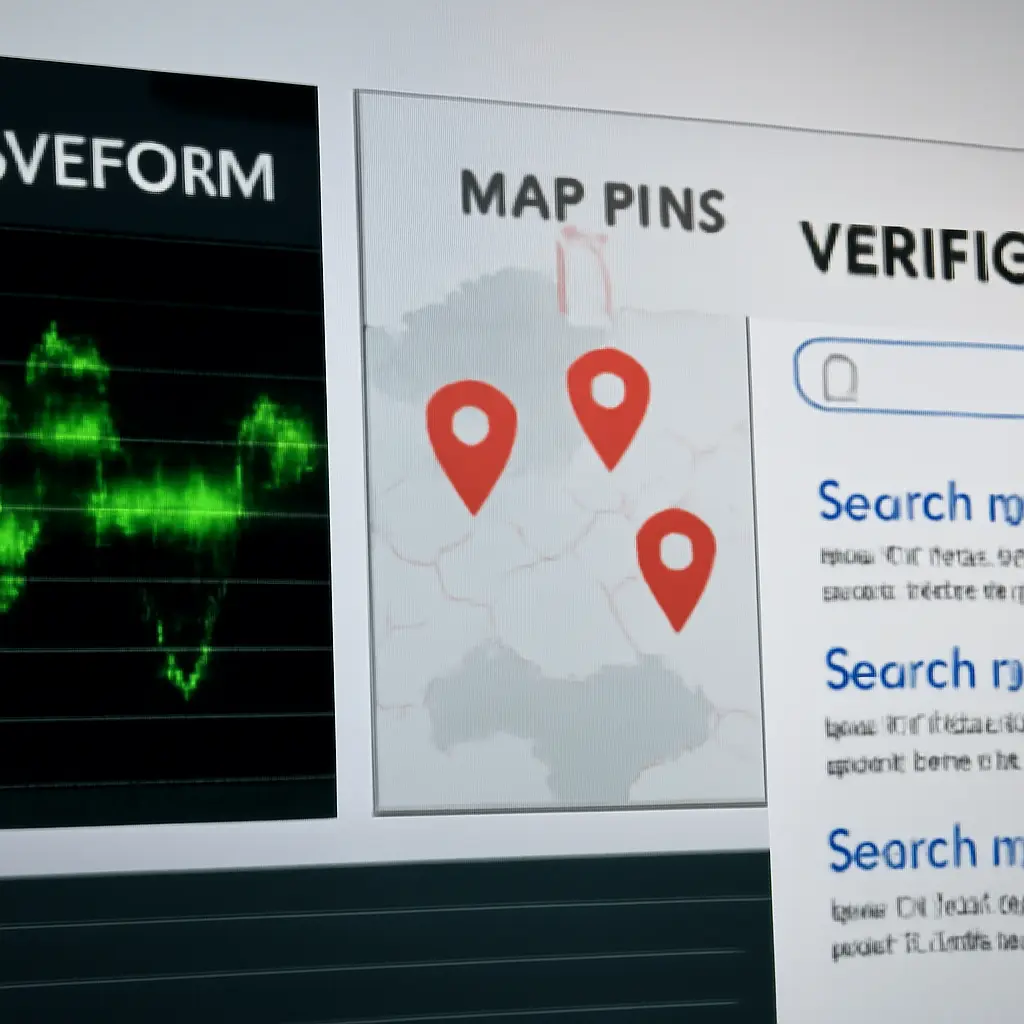
When you suspect manipulation, use a toolkit: reverse image search, EXIF readers, metadata tools, and social account analyzers. For gambling stories, cross-referencing the operator's licensing body or audited payout reports can reveal whether high casino review ratings reflect legitimate performance or marketing spin.
Tools journalists rely on in 2024
There are both free and paid tools that every reporter should know. Combining options reduces false positives and ensures robust verification.
- Reverse image search engines to find original media sources.
- Metadata readers to inspect file creation data.
- Geolocation tools including map overlays and satellite imagery.
- Social account analysis to detect bot networks or coordinated behavior.
- Regulatory databases to confirm licensing when a story mentions gambling or claims tied to casino review ratings.
Verifying multimedia: video and audio tips
Video and audio verification requires attention to frame-level edits and sound inconsistencies. Check for mismatched lighting, abrupt cuts, or audio that doesn't match the supposed location. Many deceptive casino ads use staged clips to fake big wins—verify by checking the venue, timestamp metadata, and whether the clip matches local camera angles or known architecture. If a viral clip claims a jackpot win that boosted a site's casino review ratings, seek transaction logs, witness statements, or official casino confirmation.
Understanding motivations: PR, affiliates, and reviewers
Not all viral content is malicious; sometimes it's promotional. But when stories involve money—especially online betting—look for commercial incentives. Affiliate networks and paid reviewers can push content that inflates casino review ratings to drive sign-ups. If you find multiple outlets repeating the same phrasing and linking to the same affiliate IDs, that's a sign the story may be promotional rather than newsworthy.
How to report responsibly
Reporting responsibly means explaining verification steps and avoiding unnecessary amplification of false claims. If you must report on an unverified viral claim, clearly label it and list what you checked. Transparency builds trust and helps readers judge the reliability of sources and even understand the credibility of published casino review ratings.
Checklist for publishing a corrected story
If a story you published is later disproved, follow this small but crucial checklist to correct the record professionally.
- Update the headline to reflect the correction clearly.
- Explain what was wrong and why the original information spread.
- List verification steps you performed after the initial publication.
- Link to primary sources that support the correction.
- Note any commercial ties, such as misleading casino review ratings or affiliate relationships.
Practical examples and case studies
Consider a viral claim that a small online operator paid out an unusually large jackpot and that several blogs boosted its profile with glowing casino review ratings. A methodical verification would include contacting the operator, checking licensing records, requesting payout documentation, and analyzing whether the same text or images appear across multiple "review" sites—signs of syndication or paid content. If you discover coordinated posting to push ratings, report the promotional nature clearly.
Putting it into practice: newsroom tips
Train your team on basic verification: role-play scenarios, create a checklist card for live reporting, and maintain a shared folder for suspicious sources and known promotional actors. Encourage skepticism when you see unusually positive casino review ratings attached to breaking claims. And consider linking to background pieces about news cycle problems to give readers context—if you want to explore newsroom fixes for constant live updates, see 24/7 coverage.
Final takeaway: accuracy over speed
In 2024, the tools to verify viral news are more accessible than ever, but so are the techniques used by bad actors. Prioritize accuracy and document your process. Watch out for commercial manipulations—especially those involving casino review ratings—and always be transparent with readers about what you know and what you don't. That approach preserves trust and helps reduce the spread of misinformation.
Conclusion
Verifying viral news is a blend of skepticism, method, and tools. Use the quick checklist, follow the step-by-step process, and make transparency your default. When gambling-related stories surface, be particularly cautious: inflated casino review ratings, affiliate-driven content, and staged media are common tactics. By keeping these verification practices in your workflow, you can report with confidence and help readers separate reliable information from noise.



To leave a comment, please sign up or log in
Log in / Sign up