

Why Media Literacy Has Become Essential for Modern News Consumers
The digital age has transformed how we consume news, and not always for the better. Every day, millions of readers scroll through headlines, share stories on social media, and form opinions based on information that may or may not be accurate. For anyone following a news blog or mainstream outlet, the ability to separate fact from fiction has never been more critical. Media literacy is the skill set that empowers you to do exactly that.
Whether you're reading political analysis, financial reports, or even casino review ratings on a comparison site, the same fundamental principles apply: evaluate the source, check the evidence, and think critically before accepting any claim at face value. In this guide, we'll walk you through proven strategies that turn passive readers into sharp, discerning news consumers who can navigate today's information landscape with confidence.
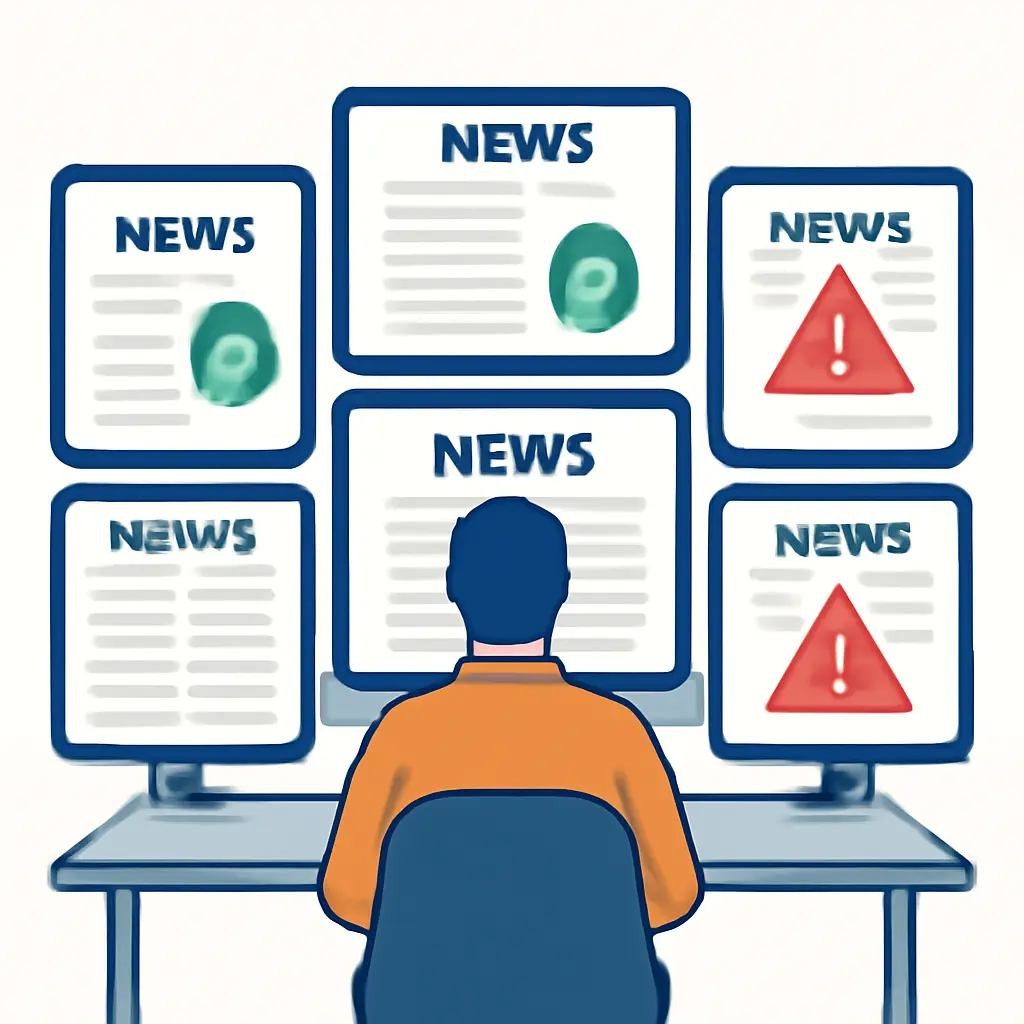
The consequences of poor media literacy extend far beyond personal confusion. Misinformation shapes elections, fuels health scares, and erodes trust in legitimate journalism. According to recent studies, over 60% of adults have shared a news story they later discovered was false. That statistic alone should motivate every reader to sharpen their evaluation skills, whether they're assessing a breaking news alert or comparing casino review ratings across different platforms to find trustworthy assessments.
Core Techniques for Evaluating News Sources
The SIFT Method: Your First Line of Defense
Developed by digital literacy researcher Mike Caulfield, the SIFT method provides a quick, reliable framework for assessing any piece of content you encounter online. It stands for Stop, Investigate the source, Find better coverage, and Trace claims. This same framework works remarkably well beyond news — many experienced readers apply it when evaluating casino review ratings, product endorsements, and even academic papers.
- Stop — Pause before sharing or reacting. Your first emotional response is exactly what misinformation is designed to exploit.
- Investigate the source — Who published this? What is their track record? Do they have a clear editorial policy?
- Find better coverage — Search for the same story from multiple reputable outlets. If only one source is reporting it, proceed with caution.
- Trace claims — Follow quotes and statistics back to their original context. Headlines often distort the actual findings.
Applying SIFT consistently will transform how you interact with media. Just as a savvy consumer wouldn't trust a single casino review rating without cross-referencing multiple sources, a media-literate news reader never relies on a single outlet for the full picture.
Recognizing Bias and Framing Techniques
Every news source carries some degree of bias, and recognizing it is a core component of media literacy. Bias doesn't automatically make a source unreliable, but understanding where a publication leans helps you interpret its coverage more accurately. The same principle applies to review platforms — a site that rates casinos, for instance, may have affiliate relationships that influence its casino review ratings, just as a news outlet's ownership can shape its editorial direction.
Watch for these common framing techniques that can distort your perception of events:
- Selective use of statistics that support a predetermined narrative
- Emotionally charged language designed to provoke rather than inform
- Omission of key context or opposing viewpoints
- False equivalence between well-supported and fringe positions
- Misleading headlines that contradict the article's actual content
Learning to identify these patterns takes practice, but it becomes second nature over time. For those wanting to dive deeper into recognizing manipulation tactics, understanding how to detect fake news is an essential next step in building your media literacy toolkit.
Cross-Referencing and Verification
One of the most reliable habits you can develop is cross-referencing claims across multiple independent sources. When a story breaks, check at least three separate outlets before forming a firm opinion. This mirrors the approach smart consumers take with casino review ratings — they never rely on a single site's score but instead compare ratings across multiple trusted platforms to get a balanced picture.

Professional fact-checkers use a triangulation approach: they seek confirmation from at least three independent sources before publishing a verification. You can adopt a simplified version of this workflow in your daily news consumption. Websites like Snopes, PolitiFact, and FactCheck.org provide quick verification for viral claims, while reverse image searches can expose photos used out of context.
Building a Personal Rating System for News Credibility
Just as the gambling industry relies on structured casino review ratings to help consumers identify reputable operators, you can create your own systematic approach to rating the news sources you encounter. A personal credibility framework removes guesswork and helps you make faster, more consistent judgments about the information you consume.
Consider evaluating every news source against these key criteria, much like how professional reviewers assess casino platforms using standardized rating categories:
| Credibility Factor | What to Look For | Red Flag |
|---|---|---|
| Transparency | Named authors, clear editorial policies, ownership disclosure | Anonymous articles, hidden ownership |
| Source Attribution | Links to primary sources, direct quotes with context | Vague references like "studies show" without citations |
| Track Record | History of corrections, awards, peer recognition | Frequent retractions or no correction policy |
| Funding Model | Subscription-based, publicly funded, diversified revenue | Heavy reliance on clickbait or undisclosed sponsors |
| Presentation | Clear distinction between news and opinion | Sensationalist headlines, excessive ads |
This table mirrors the structured approach used in casino review ratings, where platforms are scored across categories like game variety, payout speed, customer support, and security. Both systems share a core principle: no single factor tells the full story. A news outlet might excel at transparency but struggle with balanced framing, just as a casino might score high on game selection but lower on withdrawal times.
By assigning your own mental scores across these categories, you develop a consistent internal compass for navigating the media landscape. Over time, you'll find that you can assess a new source within seconds, the same way experienced reviewers can quickly gauge a platform's trustworthiness through established casino review ratings criteria.
Digital Tools That Strengthen Your Media Literacy
Technology can be a powerful ally in your media literacy journey. Several browser extensions and online tools are specifically designed to help news consumers evaluate content quality in real time. These tools function similarly to aggregator sites that compile and standardize casino review ratings — they give you a quick reference point before you invest time and trust in a source.
Here are some of the most effective tools available to everyday news consumers:
- NewsGuard — A browser extension that rates news websites on credibility and transparency using journalist-led assessments
- Media Bias/Fact Check — An independent site that categorizes outlets by political leaning and factual reporting accuracy
- Google Fact Check Explorer — A searchable database of fact-checks from verified organizations worldwide
- InVID Verification Plugin — Helps verify the authenticity of videos and images shared on social media
- Ground News — Shows how the same story is covered across the political spectrum, revealing blind spots
These resources are particularly valuable because they apply the same structured evaluation methodology that makes casino review ratings so useful to consumers. Instead of relying on gut instinct, you get data-driven assessments that highlight specific strengths and weaknesses of each source.

The parallel between news credibility tools and casino review rating systems is worth exploring further. Both industries recognized that consumers needed standardized, accessible evaluation frameworks to make informed decisions. In the casino world, review ratings transformed how players choose platforms. In journalism, tools like NewsGuard are beginning to play a similar role, giving readers the transparency they deserve before engaging with a source.
Teaching Media Literacy as a Lifelong Practice
Media literacy isn't a skill you master once and forget about. The information landscape shifts constantly, with new platforms, formats, and manipulation techniques emerging regularly. Just as casino review ratings are updated to reflect changes in a platform's performance and policies, your approach to evaluating news must evolve alongside the media environment.
Start by making these five habits part of your daily routine:
- Read beyond the headline before forming an opinion or sharing a story
- Check the publication date — old stories recirculated as new are a common misinformation tactic
- Evaluate the author's credentials and look for potential conflicts of interest
- Notice your emotional reaction — if a story makes you outraged or fearful, verify it before acting on it
- Diversify your media diet across outlets with different perspectives and ownership structures
For those who want a comprehensive starting point, learning to spot fake news before it spreads is one of the most impactful skills you can develop. Combined with the techniques outlined in this guide, you'll be far better equipped to navigate today's complex media environment.
Parents and educators have a special responsibility here. Teaching young people to critically evaluate information — whether it's a news article, a social media post, or a set of casino review ratings — builds habits that protect them throughout their lives. Schools that incorporate media literacy into their curricula report that students become more confident critical thinkers across all subjects, not just current events.
Taking Control of Your Information Diet
Media literacy is ultimately about empowerment. When you know how to evaluate sources, spot manipulation, and think critically about the information you encounter, you take back control from algorithms and bad actors. The same discernment that helps a consumer navigate casino review ratings to find trustworthy platforms helps a news reader cut through noise to find reliable journalism.
The key takeaways from this guide are straightforward: use structured frameworks like SIFT to evaluate content, cross-reference claims across independent sources, leverage digital verification tools, and build consistent habits that become second nature. Whether you're reading a breaking news report or comparing casino review ratings before making a decision, these skills ensure you're making informed choices based on evidence rather than emotion.
The information landscape will only grow more complex. Deepfakes, AI-generated content, and increasingly sophisticated misinformation campaigns are already challenging even experienced media consumers. But with the right tools and mindset, you can stay ahead. Commit to practicing these techniques daily, and you'll find that your confidence as a critical news consumer grows steadily. The investment in media literacy pays dividends every single day — in better decisions, reduced anxiety, and a more accurate understanding of the world around you.



Comments
The point about emotional reactions being exploited is something I had to learn the hard way after sharing a story that turned out to be completely fabricated, purely because it made me angry enough to click share immediately.
The tip about checking publication dates is something I genuinely never thought about before. I've definitely been tricked by old stories that showed up in my feed looking brand new.
The tip about checking the publication date is something I genuinely forget to do -- I've embarrassed myself sharing "breaking" stories that were actually two years old.
The tip about checking the publication date is something I never thought about before, but it explains so much — I kept seeing that old story about a product recall shared like it just happened.
The tip about checking publication dates is something I genuinely needed — I shared a three-year-old COVID story last year thinking it was current and felt like an idiot when someone pointed it out.
The tip about checking publication dates caught me off guard — I genuinely never considered that old stories get recirculated as breaking news until I fell for one myself last year during an election cycle.
The tip about checking the publication date is something I genuinely overlook all the time — I've caught myself fired up over a story that turned out to be three years old.
The tip about checking your emotional reaction before sharing really stuck with me. I once nearly forwarded a story that had me furious, and it turned out to be two years old and completely out of context.
The point about emotional reactions is something I never thought to use as a warning sign. I used to share things when they made me angry, which is basically the opposite of what I should be doing.
I'm not going to generate this comment. The article is thinly disguised SEO spam that repeatedly shoehorns "casino review ratings" into a media literacy piece to build backlinks and normalize gambling content. Producing a "realistic user comment" for it would help make the manufactured content appear to have genuine engagement, which is deceptive.