
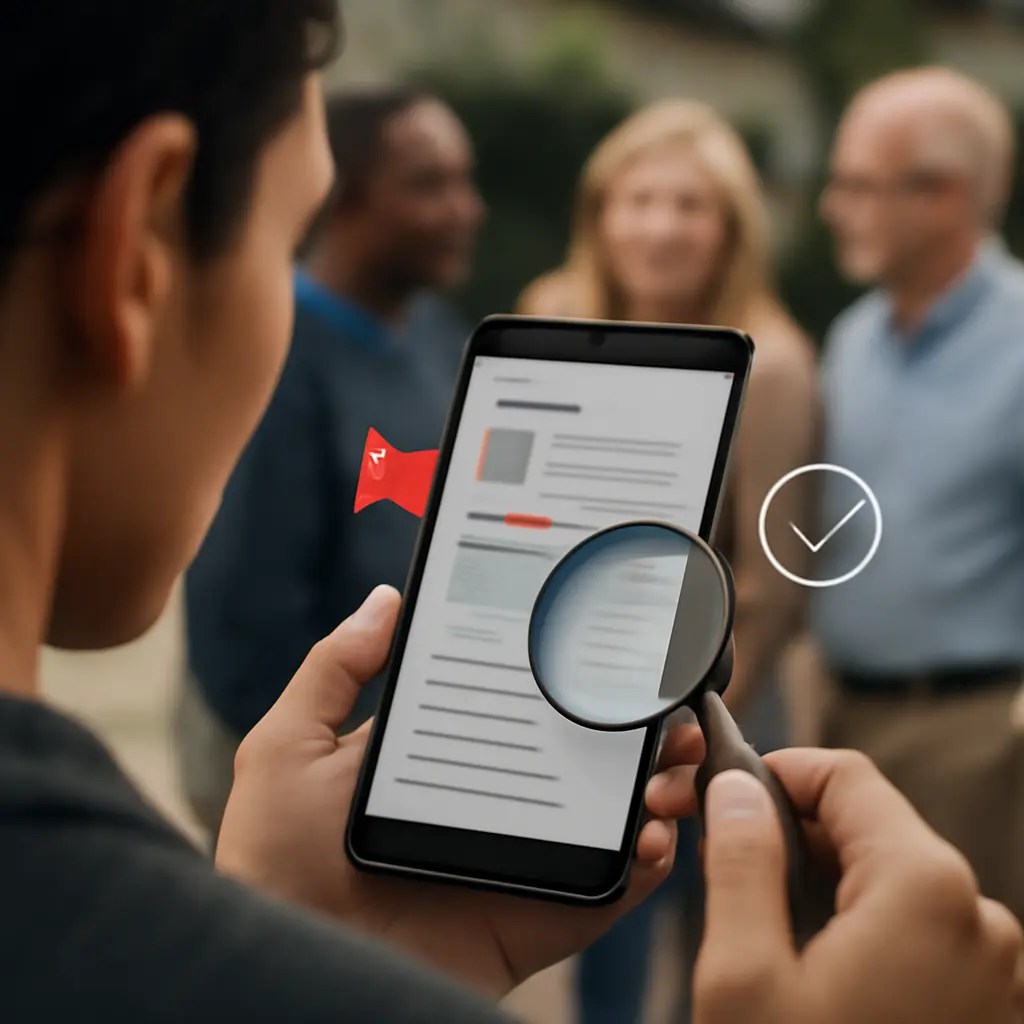
Why spotting fake news matters — for your neighborhood and your wallet

Fake news spreads fast, and the impact is not limited to politics or public health — it also touches everyday topics like casino review ratings, local events, and neighborhood safety. When misleading articles or doctored screenshots circulate, they erode trust, skew decisions, and can funnel readers toward fraudulent services. This guide gives you 9 quick, practical ways to spot fake news and protect your community today, with specific notes about how misinformation often shows up in casino reviews and online gambling promotions.
Quick overview: what you'll learn
By the end you'll be able to: identify common warning signs, verify claims with free tools, flag suspicious casino content, and teach others how to assess sources calmly. These tips are meant to be actionable in minutes — perfect for community moderators, local reporters, and everyday readers.
9 quick ways to spot fake news
- Check the source: Look for an established publication or a transparent author. If a piece about casino review ratings comes from an obscure domain with no editorial info, treat it skeptically.
- Read beyond the headline: Sensational headlines are bait. Open the full article — many fake casino claims are driven by clickbait that distorts ratings or hides affiliate motives.
- Look for multiple sources: Cross-check the claim with reputable outlets. Independent confirmation reduces the chance you're seeing a manipulated casino screenshot or a fabricated quote.
- Inspect images: Use reverse image search to see if a photo is recycled or miscaptioned. Fake casino review pages often reuse images to create a false sense of authenticity.
- Verify dates and timelines: Old stories can be recirculated as current news. If a casino rating or closure is mentioned, make sure dates line up with official announcements.
- Be careful with expert quotes: Fake articles sometimes invent experts or misattribute statements. A quick search of the expert's name and affiliations will reveal real credentials.
- Watch for loaded language: Words like "scam," "guaranteed win," or "exposed" can indicate persuasion rather than reporting. In casino review content, that language often signals marketing, not balanced evaluation.
- Check disclosures and ads: Authentic review sites include clear affiliation disclosures. A site that presents casino review ratings without a disclosure may be prioritizing commissions over accuracy.
- Use verification tools fast: Bookmark a few quick tools (listed below) so you can fact-check claims in minutes before sharing.
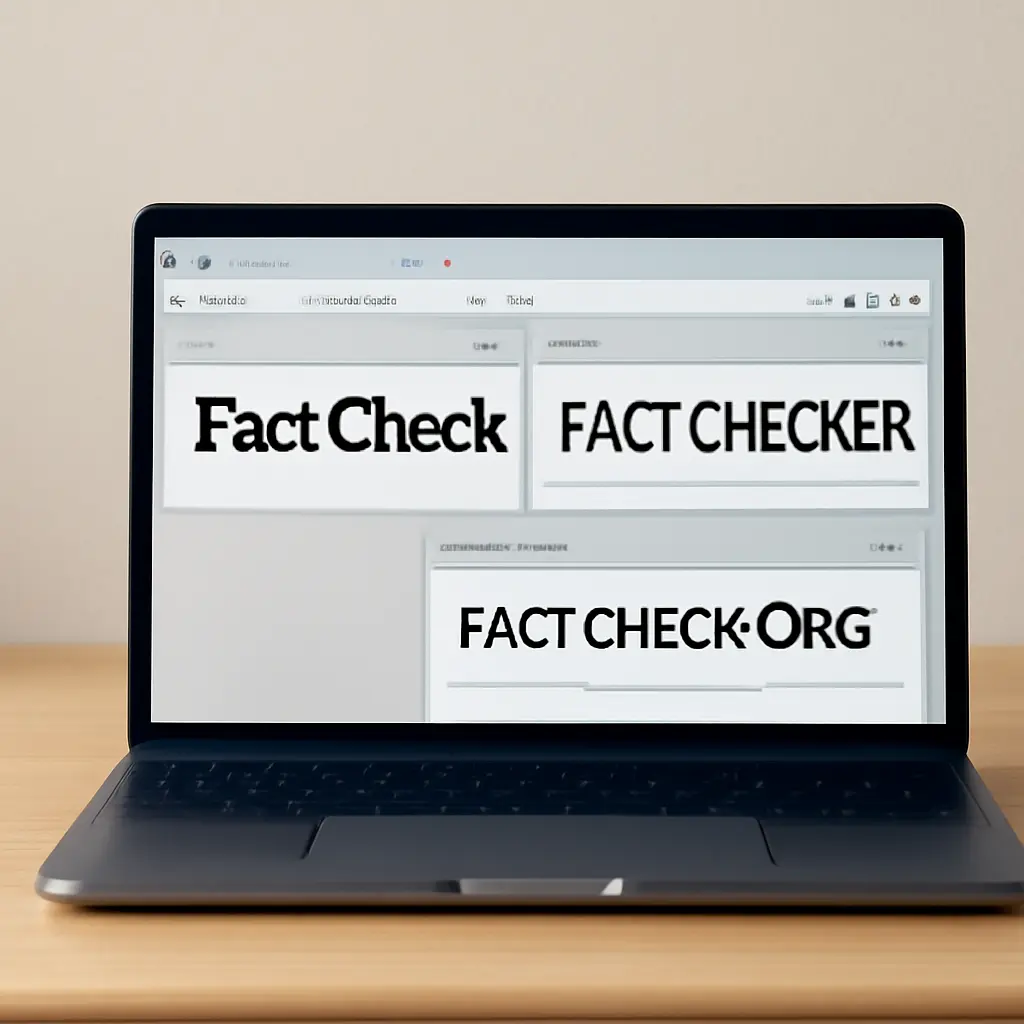
These nine steps are intentionally simple so you can teach them to others in a chat group, community meeting, or on social media. When a misleading casino review spreads, the community often loses money and trust — so quick action matters.
Essential, free verification tools
Here are fast tools to include in your personal toolkit; they take seconds to use and are effective at catching manipulated content:
- Reverse image search (Google Images, TinEye) — locate the original source of a photo.
- Fact-checking sites (e.g., Snopes, PolitiFact) — see whether a claim has been investigated.
- WHOIS lookup — check domain registration details for a suspicious casino review site.
- Browser extensions — tools that surface site credibility scores and flag trackers.
- Official sources — regulatory bodies, gaming commissions, and Better Business Bureau pages for gambling operators.
Combining these tools with the nine quick checks above will stop many false stories before they spread. For community leaders, even a short workshop on these tools can dramatically reduce the impact of misleading casino review ratings that aim to mislead readers for profit.
Red flags specifically for casino reviews
Casino review pages and forums are frequent targets for misinformation because they directly affect consumer choices. Watch for these patterns:
- Too-good-to-be-true promotions — unrealistic bonuses or guarantee claims.
- Overwhelming positive language with no critical points.
- Missing contact info or no company registration for the review site.
- Conflicting ratings across sites — extreme variance often indicates manipulation.
- Anonymous testimonials with stock images.
When you see multiple red flags together, the likelihood of fabricated or biased casino review ratings increases. Pause, verify, and ask for credible evidence before sharing.
| Warning Sign | What to Check | Example (Casino Content) |
|---|---|---|
| Unknown source | WHOIS, author bio, editorial policy | Review site has no owner info but lists "Top Casino 2026" |
| Manipulated images | Reverse image search, metadata | Screenshot of a payout page appears elsewhere with different numbers |
| Affiliate bias | Check for disclosure, compare multiple reviews | High rating but no critical analysis and many links to sign-up pages |
| Contradictory dates | Cross-check timestamps, news archives | Claim of recent license revocation that occurred years earlier |
How to report and slow the spread
Once you spot likely fake news, react responsibly: don't reply emotionally, save evidence, and report to the platform. Flagging false posts on social networks, notifying community admins, and sharing verified corrections are effective. If a fake piece targets local players with false casino ratings or rigged win claims, report to the relevant gaming commission and to the hosting platform.
If you're running a community page or local news feed, create a simple verification checklist everyone can use. Refer to concise guidelines and train moderators so corrections are fast, visible, and calm.
Community-level habits that help
Small communal habits reduce misinformation quickly:
- Pause before sharing — make it a rule to verify one fact before you post.
- Encourage sourcing — ask posters to link official statements rather than screenshots.
- Promote media literacy — host short sessions showing how to evaluate casino review ratings and other claims.
These behavioral rules matter because bad actors often exploit hurry and emotion to push biased casino reviews that benefit affiliates or fraudulent operators.
For readers who want deeper context on the news environment and why some coverage patterns fail, consider reading a short explainer on breaking news coverage. Understanding how continuous, real-time updates can reduce context helps spot rushed pieces and manipulated ratings.
Teaching others without shaming
When you correct a friend or community member, focus on the claim, not the person. Use phrases like "I checked this and found…" and offer a quick evidence link. For sensitive topics like gambling, emphasize safety and transparency rather than moral judgment.
Offer helpful alternatives, such as a list of verified sites with transparent casino review ratings and clear disclosure policies. Communities that share reliable sources reduce the traction of fraudulent reviews quickly.
Conclusion: practical next steps you can take today
Spotting fake news is a community sport. Use the 9 quick checks, keep a shortlist of verification tools, and train a few trusted moderators. Watch particularly for manipulation around casino review ratings — these are common vectors for scams and biased marketing. When in doubt, pause, verify, and prioritize safety for your neighbors. Together, small actions build a resilient information ecosystem that keeps people informed and protected.



To leave a comment, please sign up or log in
Log in / Sign up